SALIVISION



SALIVISION
What skills will you take to the next level with Salivision?
💡 Higher Game IQ & Anticipation – read the game two steps ahead and spot open spaces before your opponent does.
👀 Flawless Scanning & Faster Reactions – evaluate the situation on the field in a split second without looking down at your feet.
🎯 Surgical Precision & Technique – your passes, shots, tricks and saves will be 100% accurate, even under maximum match pressure.
⚖️ Better Stability – improve your coordination and body awareness so that even the toughest challenge won't throw you off rhythm.
Learn more at www.sali.vision More
Manufacturer: SALIBANDYProduct code: P00021 Shipping and Payment
What skills will you take to the next level with Salivision?
💡 Higher Game IQ & Anticipation – read the game two steps ahead and spot open spaces before your opponent does.
👀 Flawless Scanning & Faster Reactions – evaluate the situation on the field in a split second without looking down at your feet.
🎯 Surgical Precision & Technique – your passes, shots, tricks and saves will be 100% accurate, even under maximum match pressure.
⚖️ Better Stability – improve your coordination and body awareness so that even the toughest challenge won't throw you off rhythm.
Learn more at www.sali.vision More
Manufacturer: SALIBANDYProduct code: P00021 Shipping and Payment
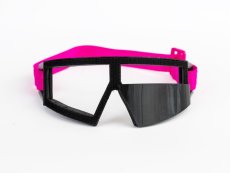
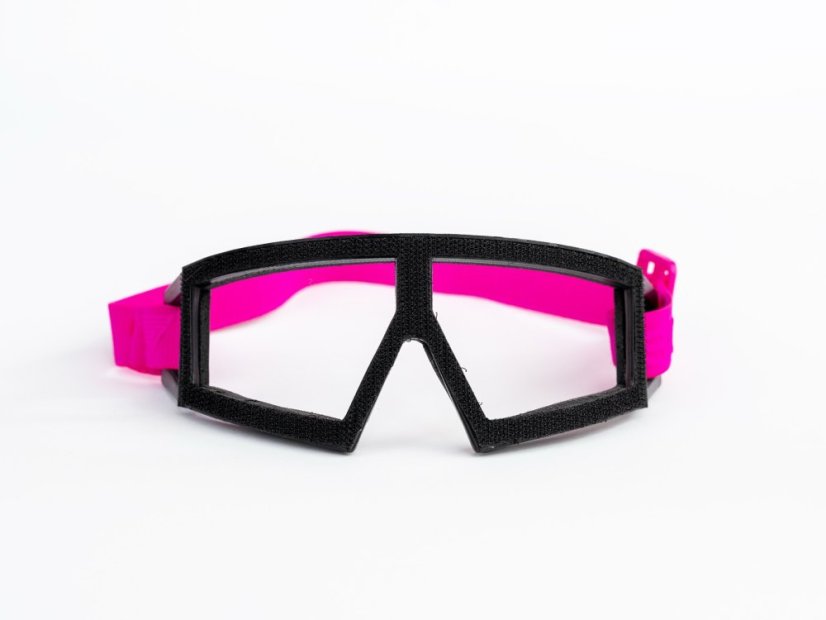
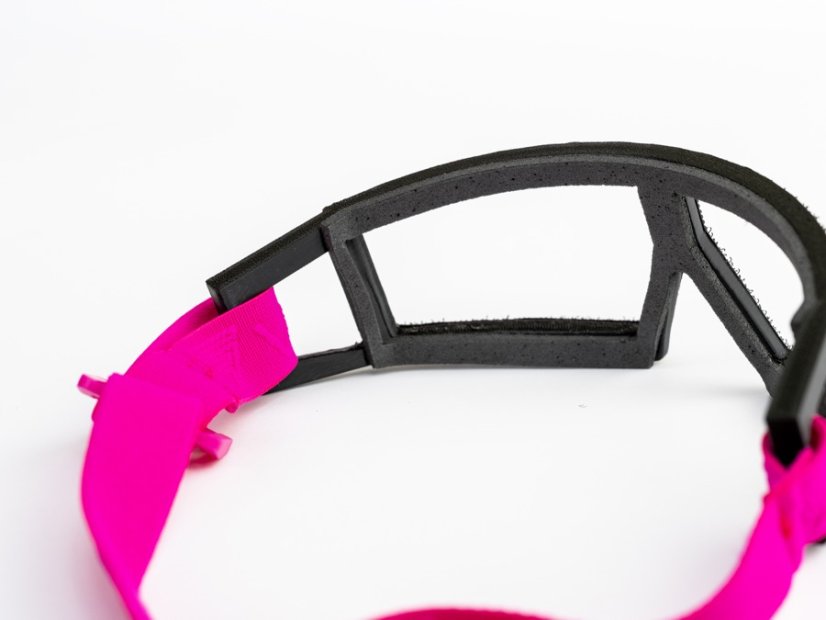
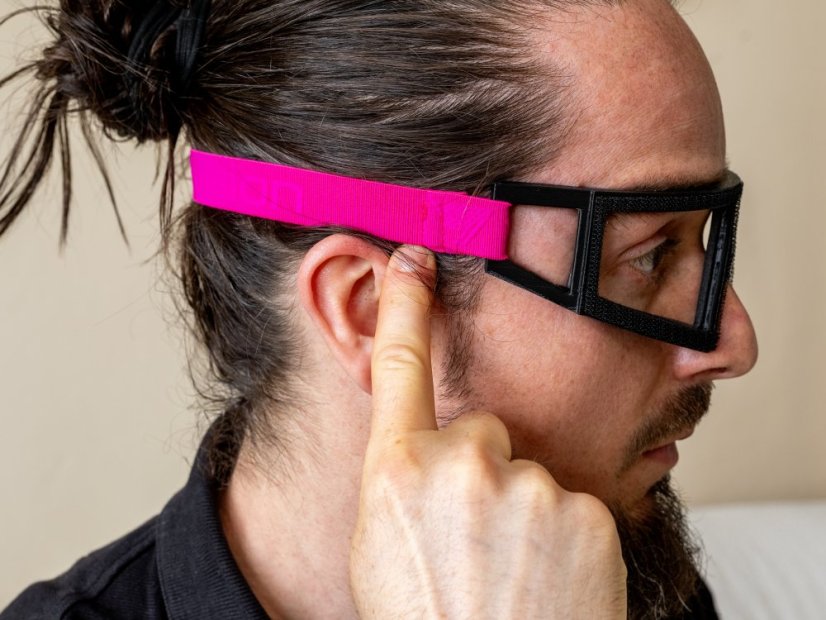
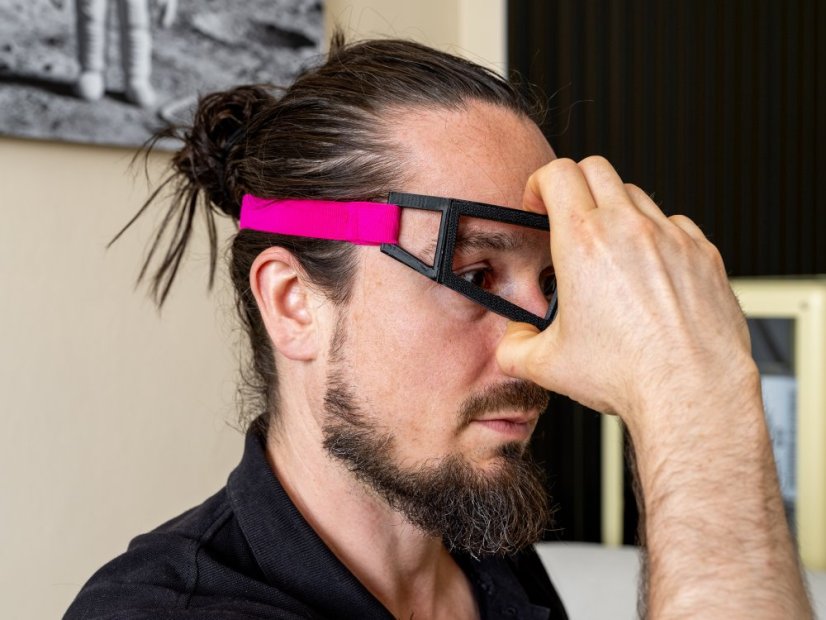
Salivision is a specialized training eyewear with interchangeable filters that represents an absolute game-changer in modern athletic preparation. ⚡ A single set universally covers both field players and goalkeepers across hockey, football, floorball, and other sports. Additionally, you will receive specific exercises and age-based recommended dosing guidelines, so you know exactly how to train effectively from day one. ⚙️📊
The working principle is based on solid neuro-visual scientific findings and research. The filters intentionally restrict a portion of your field of view. This forces the brain to stop relying solely on direct vision and immediately engage tactile sense (touch), peripheral perception, and balance. 🔄👀
Instead of constantly looking down at your feet, Salivision trains you to play with your head up. The result is a player who controls the ball or puck by pure feel, reacts in a split second, and can read the game faster than anyone else on the field! 🔥
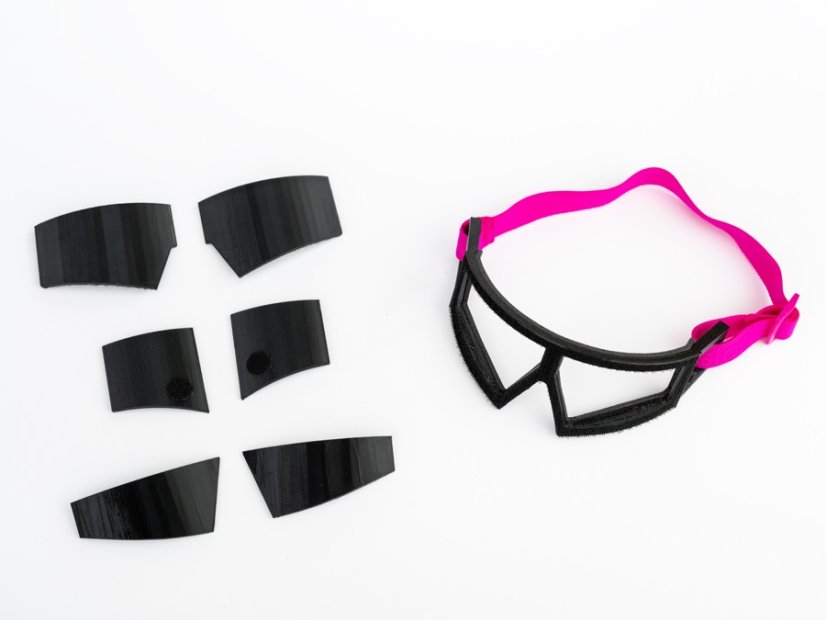
What SALIVISION includes
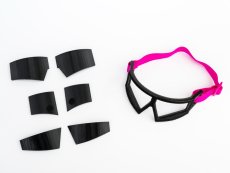
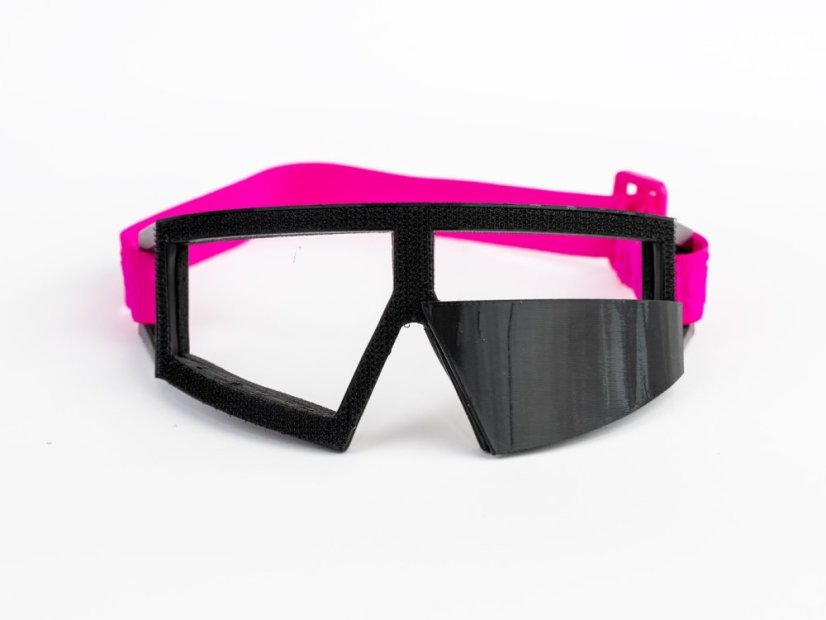
- Lower filter - blocks the downward view and breaks the habit of looking at the ball or puck at your feet.
- Side filter - limits peripheral vision and forces active head scanning. Coverage is adjustable.
- Full filter - fully blocks one eye for isolated training of the dominant or weaker eye.
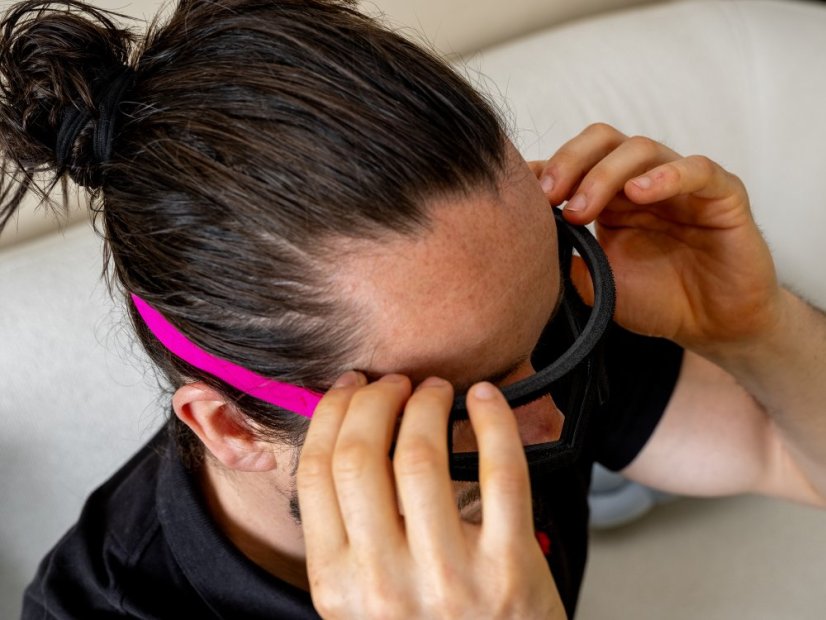
- Filters attach with velcro and can be combined freely on one or both eyes.
- Drill catalogue for each filter combination - separate sets for players and goalies.
What you'll learn
- Play with your head up and see the field in 3D instead of looking down.
- Control your gear by feel - ball, puck and stick handling become automatic.
- Read the game faster and anticipate the opponent from the slightest shoulder or hip cue.
- React faster thanks to trained eye muscles and peripheral awareness.
- Goalies also gain better orientation in the crease and active head movement.
How it works
A short-term limit on your field of view tells the brain that visual information is incomplete. The brain raises the weight of the other senses - touch, balance and proprioception - and learns to use what it sees more efficiently. After removing the glasses, a short "visual boost" occurs, where the athlete perceives the game more sharply and reacts noticeably faster.
Several well-described neuro-visual mechanisms are at play:
- Faster eye movements (saccades): the eyes learn to gather maximum information through quick movements, so after removing the glasses they refocus rapidly between the ball and the wider play.
- Skill automation: when sight can't control the gear, touch and muscle memory take over. Ball and puck handling becomes subconscious and frees up brain capacity for tactics.
- Magnocellular pathway: the fast visual pathway focused on space, direction and speed of movement - the basis for reading the game across the whole field.
- Higher proprioception and balance: better sense of body position, centre of gravity and joints during dribbling, dekes and crease movement.
- Better anticipation: the brain learns to fill in the missing image and recognises the opponent's intention before the move is finished.
Studies on neuro-visual training suggest improvements in reaction time and decision-making under pressure in the range of tens of percent. The exact benefit is individual and depends on training consistency.
How to attach the filters
- Lower filter: position it so its bottom edge sits exactly on the lower edge of the frame.
- Full filter: align it to the frame edges so it doesn't stick out anywhere.
- Side filter: you choose the coverage. Maximum = the outer edge of the filter follows the outer edge of the frame. Minimum = attach at least half of the velcro surface.
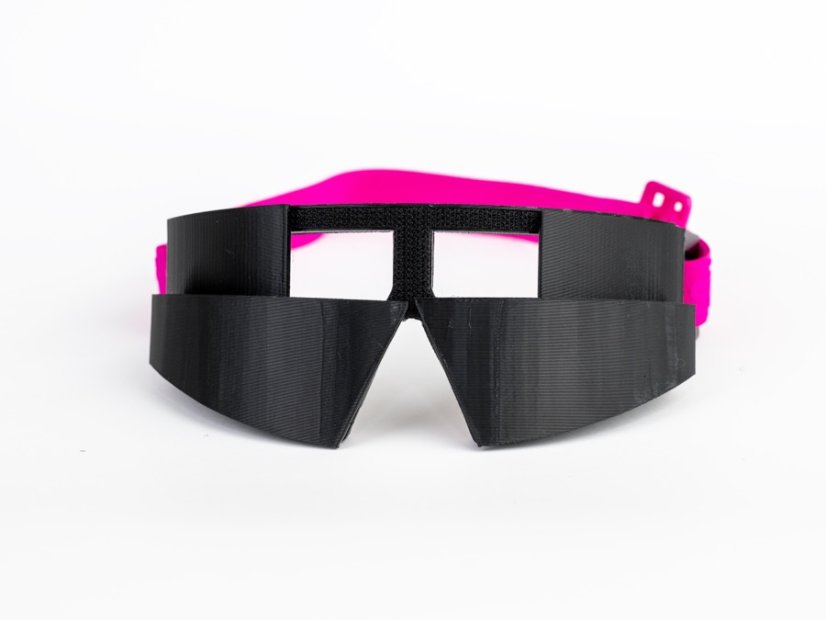
- Lower + side combo: attach the side filter first (it has velcro on the front too), then fix the lower filter onto it.
Drill catalogue for outfield players
Each filter combination has a different training goal. Choose based on what you want to improve.
Lower filter on both eyes
Why: forces an upright back, a raised chin and skill automation. Ideal for removing the habit of looking at the gear on the ground.
Drills: dribble the ball/puck while walking or jogging with your head up, focusing on feel; slow paired passing without watching your hands and feet; slow blind slalom between cones.
Lower filter on one eye
Why: removes side imbalance. A filter on the weaker side forces the brain to activate touch receptors in that hand or foot.
Drills: dribble only with the weak foot (or backhand) on the covered-eye side; on-the-spot dribbling moving the ball from the blind to the visible side; dekes toward the filtered side without visual control.
Side filter on both eyes
Why: forces constant head scanning before receiving a pass. For players who play "blind" and don't notice closing defenders.
Drills: receive a pass in midfield while turning your head both ways; dribble straight while teammates show numbers on their hands and you call them out; keep-away where you may not pass anywhere you haven't checked by turning your head.
Side filter on one eye
Why: forces an extreme head turn to the limited side. For training the weaker side when a player only turns to their favourite side.
Drills: dribble along the boards with the filter on the open-field side; triangle passing from the "blind" side; fast slalom where the coach throws another ball/puck into your path from the blind side.
Full filter on the dominant eye (monocular)
Why: sharpens focus on detail and trains extreme concentration (Quiet Eye effect). For finishing accuracy and judging trajectory from one source.
Drills: accuracy shooting into the corners after a quick pass; juggling or fast on-the-spot dribbling; catching light tennis balls from the side.
Full filter on the non-dominant eye (monocular)
Why: balances hidden visual imbalances and widens the field of view on the neglected side.
Drills: on-the-spot dribbling with eyes on a static point; receiving passes from various directions and returning them precisely; slow slalom focusing on fine control with the weaker eye.
Lower and side filter on both eyes
Why: total isolation from the gear and side noise. For advanced players who still drop their gaze at speed.
Drills: dribble at speed while reading the colours of cones on the sides; receive a pass on the run, turn your head 90° and pass immediately; blind slalom where direction changes at the last second on the coach's signal.
Drill catalogue for goalies
Lower filter on both eyes
Why: forces full trust in your own spatial orientation (the goalie's inner "GPS"). For when a goalie drops their head while making saves and loses sight of the shooter.
Drills: fast slides from post to post without looking at the posts; catching long shots on your knees, covering the bottom with body and feel; challenging the shooter and a quick return without looking at the lines.
Lower filter on one eye
Why: balances asymmetry of low saves. Covering the bottom of the weaker eye forces a fast reflex from that limb.
Drills: catching low shots into the bottom corner on the filter side; clearing close-range rebounds on the "blind" side; reacting to a cross-ice pass low to the ground.
Side filter on both eyes
Why: forces aggressive side-to-side head work. For when a goalie only moves their eyes but doesn't turn the whole head with the puck.
Drills: tracking passes from corner to corner behind the net with head turns; catching long shots with players crashing for tips; moving against shots from different angles, orienting by turning the head.
Full filter on the dominant eye (monocular)
Why: trains the ability to lock onto a flying object the moment the shooter loads up. For when a goalie loses eye contact on fast long shots.
Drills: catching hard long shots from a stable stance; clearing shots from behind a static screen; catching rebounds off a rebounder near the crease.
Full filter on the non-dominant eye (monocular)
Why: engages hearing and inner orientation. For when a goalie reacts slower to shots on the visually weaker side.
Drills: catching long shots with maximum use of the weaker eye; tracking trajectory at a slower pace from various angles; static angle coverage following the shooter on the "blind" side.
Lower and side filter on both eyes
Why: maximum alertness and full reliance on muscle memory for covering the bottom. For advanced goalies removing head passivity.
Drills: tracking passes around the crease perimeter with aggressive head turns; series of long shots with slides from memory; angle saves with emphasis on an upright stance.
Recommended training doses
- Youth (14-17): 10-15 minutes per session, 2× a week.
- Adults and pros (18-40): 10-20 minutes, 2-3× a week (min. 48 h rest).
- Veterans and Masters (40+): 15-25 minutes, 3-4× a week.
Shorter but regular training works better than long blocks that cause visual overload.
FAQ
Which sports is SALIVISION for?
For hockey, football and floorball - both outfield players and goalies. The training principle also transfers to other ball and team sports.
What's the minimum age?
We recommend from age 14. Youth need shorter, less frequent blocks - see the doses above.
How fast will I see results?
The short-term "visual boost" is felt right after removing the glasses. Lasting improvement in awareness and technique comes with regular training over a few weeks.
Do I need a coach to train?
You can do some drills alone, but many assume a coach or teammate feeding passes. The catalogue describes how to run each one.
Who SALIVISION is for
For players and goalies in hockey, football and floorball who want an edge in awareness, reaction and technique. Suitable for youth, adults and veterans - just adjust the length and frequency of training.
| Color |
  |
|---|---|
| Material | PET-G, PE, elastický popruh |
| Weight | 51,5 |
| Type | player, goalie |
| Sport | Floorball, Hockey, Football / Soccer, Basketbal |
| Co trénuje | Periferní vidění, Vedení míče / puku, Reakce a postřeh, Orientace |
| Věková kategorie | Mládež 14-17, Dospělí 18-40, Veteráni 40+ |
| Typ filtru v sadě | Spodní, Boční, Celý |
| Uchycení filtru | Suchý zip |
| Color |
|
|---|---|
| Material | PET-G, PE, elastický popruh |
| Weight | 51,5 |
| Type | player, goalie |
| Sport | Floorball, Hockey, Football / Soccer, Basketbal |
| Co trénuje | Periferní vidění, Vedení míče / puku, Reakce a postřeh, Orientace |
| Věková kategorie | Mládež 14-17, Dospělí 18-40, Veteráni 40+ |
| Typ filtru v sadě | Spodní, Boční, Celý |
| Uchycení filtru | Suchý zip |
Related products5
SALIBLOCK
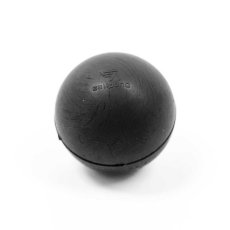
SALIPONG
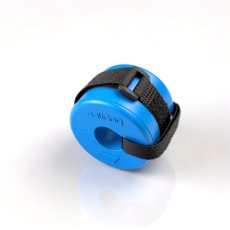
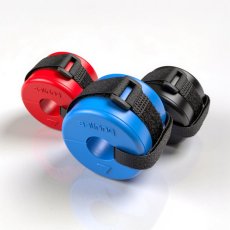
SALIRING
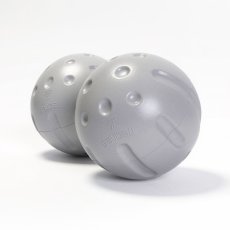
SALIBALL